

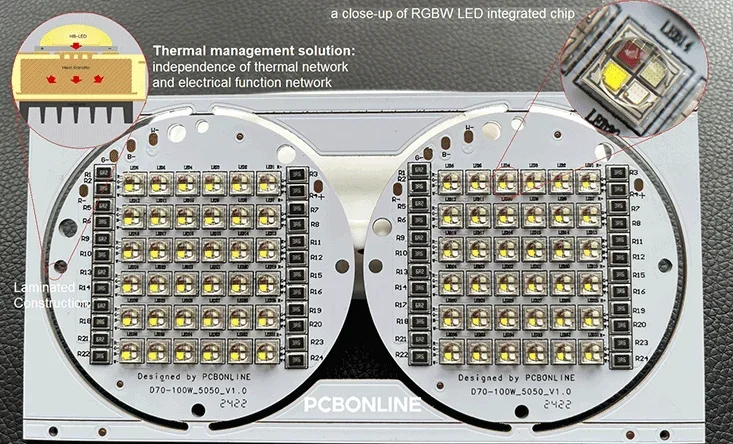
Waterproof PCB designed and manufactured by PCBONLINE for underwater lights
Water is the enemy of any electronics, whether it is a wearable fitness tracker, an outdoor sensor, or industrial machinery. It is necessary to protect the printed circuit board (PCB) against moisture, especially in humid environments.
Before you design any waterproof electronics circuit boards, it is important to understand the different waterproofing levels — IP54, IP67, and IP68. Engineers and product managers should balance cost, manufacturing complexity, and durability of waterproofing electronic circuit boards. Here is a comprehensive guide on how to achieve these waterproofing standards.
Understanding the IP Rating System
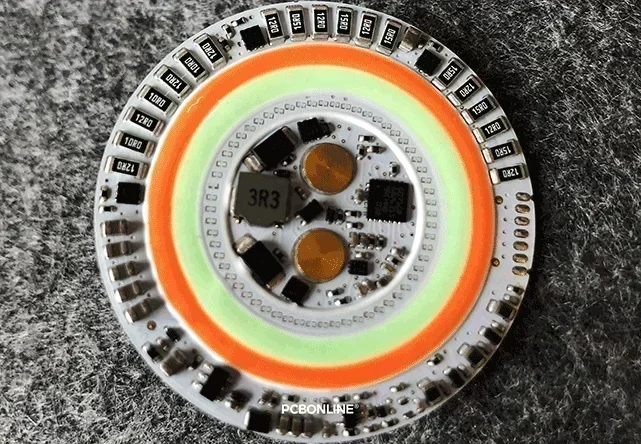
Ceramic waterproof PCB manufactured by PCBONLINE for swimming pool lights
The Ingress Protection (IP) rating consists of two digits:
- First digit (0–6): Protection against solids (dust/dirt).
- Second digit (0–9): Protection against liquids (water).
In waterproofing circuit boards, IP54, IP67, and IP68 are used.
IP54: Splash-proof protection
IP54 is designed for environments where the device might encounter occasional dust and light water splashes from any direction.
For PCBs in occasional dust and moisture environments, the waterproofing protection is usually a standard layer of conformal coating, which is a thin chemical film that protects against humidity and minor condensation.
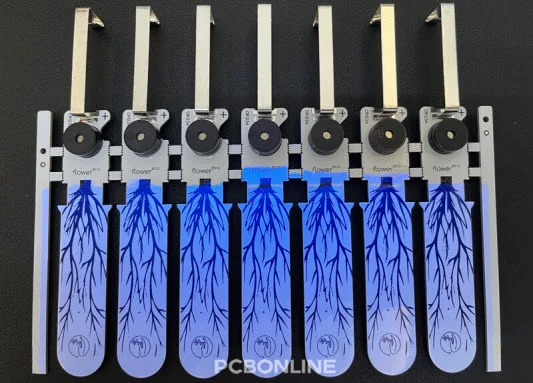
The enclosure of an IP54-rated electronic circuit board does not need to be airtight. It should feature tight-fitting joints or simple labyrinths to deflect direct splashes.
IP54-rated electronic circuit boards are used for indoor smart home devices, laboratory equipment, and handheld scanners.
IP67: Temporary immersion
An IP67 rating means the device is totally protected against dust and can withstand being submerged in water up to 1 meter deep for 30 minutes.
PCBs requiring total waterproofing protection need thick conformal coating, which is multiple layers or UV-cured coatings.
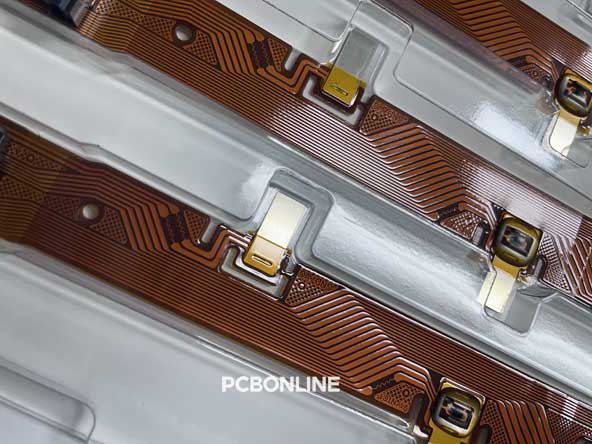
Besides, on the PCB, critical components, like BGA chips, are underfilled with epoxy to prevent moisture from creeping under the solder balls.
The enclosure of an IP67-waterproof PCB requires high-quality silicone O-rings or gaskets at every seam. Connectors must be specialized waterproof variants, like IP67 USB-C ports.
IP67 waterproofing electronic circuit boards are used for smartphones, action cameras, and outdoor telecommunications gear.
IP68: Continuous submersion
IP68 is the highest standard for consumer electronics, allowing for continuous immersion in water under conditions specified by the manufacturer. Usually, the underwater condition is deeper than 1 meter.
A PCB in continuous submersion underwater deeper than 1m requires waterproofing protection in potting with extreme IP68 reliability. Potting involves encasing the entire PCB in a thick block of silicone, epoxy, or polyurethane resin. This provides 100% physical isolation from water and high pressure.
The enclosure of an IP68-rated waterproofing PCB requires ultrasonic welding or permanent structural adhesives instead of screws to ensure a hermetic seal.
IP67-rated electronic circuit boards are used for submersible pumps, underwater lighting, and automotive sensors located in the chassis.
What IP level to choose for your waterproofing PCB? Here's a summary:
- Choose IP54 if your product stays indoors but needs to survive high humidity or cleaning.
- Choose IP67 for outdoor lifestyle products where rain or accidental drops in a puddle are likely.
- Choose IP68 for industrial, maritime, or automotive applications where failure is not an option and water pressure is a constant factor.
Electronic Circuit Board Waterproofing Strategy
To achieve a high IP rating, a multi-layered defense strategy is usually required. The consideration factors for waterproofing include materials, components, and structure.
Material-level: conformal coating & potting
When you consider waterproofing, consider whether the PCB uses conformal coating or potting. Conformal coating is a thin layer of chemical film, while potting is a block that entirely encases the PCB.
|
Feature
|
Conformal coating
|
Potting (encapsulation)
|
|
Thickness
|
Very Thin (≈ 25μm-75μm)
|
Very thick (Measured in cm)
|
|
Weight
|
Negligible
|
Significant
|
|
Repairability
|
High (can be stripped)
|
Low (permanent)
|
|
Best for
|
IP54 - IP66
|
IP67 - IP68
|
Component-level: dispensing & underfill
Even inside a waterproof case, temperature changes can cause breathing, leading to internal condensation.
The waterproof conformal coatings for PCBs include acrylic, silicone, polyurethane, epoxy, and parylene. They are synthetic resins providing a secure barrier around a printed circuit board and its components.
Dispensing glue on large capacitors or using Underfill for high-density chips prevents moisture from causing electrochemical migration between pins.
What's more, there's selective PCB encapsulation for shallow underwater and high-humidity environments, like on rivers or the sea. Selective PCB encapsulation means using resin to seal specific components and areas rather than the whole PCB. Selective PCB encapsulation includes dam encapsulation and glop top encapsulation.
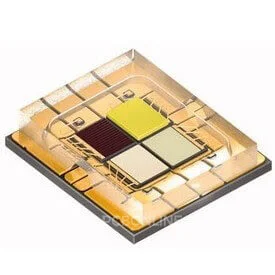
Structural-level: the waterproof enclosure
High-IP devices often use an ePTFE (Gore-Tex) vent. Venting allows air to pass through to balance pressure but blocks liquid water, preventing seal failure during temperature swings.
Besides, RTV (room temperature vulcanizing) silicone is used to seal wire exits and cable glands.
Applications of Waterproofing Electronics Circuit Boards
Devices using IP54 waterproofing-level PCBs prevent dust from entering and interfering with operation, and prevent water from splashing from all directions. They include:
- Smart home thermostats,
- Indoor security cameras,
- Handheld supermarket scanners,
- Electric vehicle charging piles (Indoor),
- Industrial control cabinets,
- Elevator control panels,
- Electronic scales for kitchens
IP67-level waterproofing circuit boards are used for devices that 100% prevent dust from entering and can withstand immersion in 1 meter of water for 30 minutes without damage. Applications are listed below.
- Smartphones and smartwatches,
- Outdoor wireless base stations,
- Portable Bluetooth speakers,
- Automotive engine sensors,
- Rugged outdoor walkie-talkies,
- Solar street light controllers
- Shared electric scooters/bikes
- Drones for agriculture
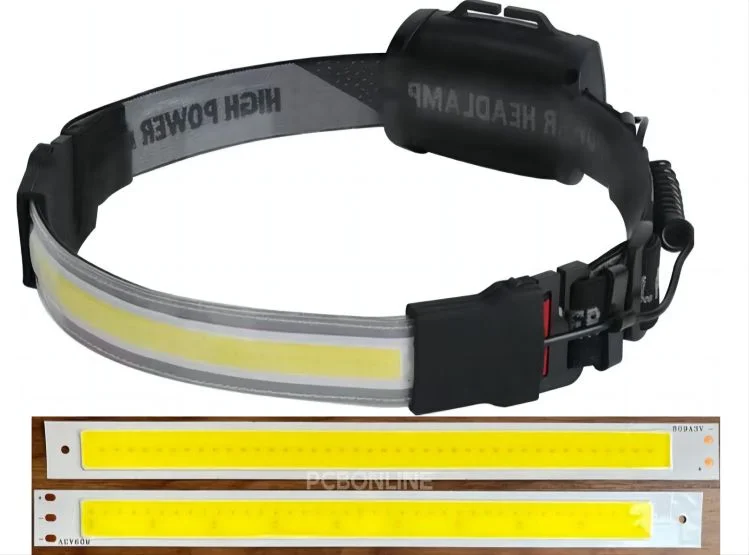
The devices working in continuous submersion are listed below. Their PCBs require the IP68 waterproofing level.
- swimming pool lights,
- deep sea searchlights,
- remote-controlled underwater robots,
- ocean fish finders,
- water quality monitoring sensors,
- port navigation lights
- sewage treatment equipment, etc.
Turnkey Waterproof PCB Manufacturer PCBONLINE with R&D Capabilities
If your PCB or PCBA project needs waterproofing, no matter how humid the environment in which the device is working, you can work with the turnkey waterproof PCB manufacturer PCBONLINE from R&D to one-stop PCBA manufacturing and box-build assembly.
Founded in 2005, PCBONLINE has two large advanced PCB manufacturing bases for waterproof PCBs, one turnkey PCB assembly factory for waterproof PCB assembly and box-build assembly, stable material supply chains, and strategic cooperation with electronic component manufacturers, and long-term cooperation with the top 3 mold and enclosure manufacturers in China for jigs/textures, molds, and waterproof enclosures. Besides, PCBONLINE has an R&D team and professional CAM engineers for project development and DFM (design for manufacturing).
PCBONLINE manufactures and assembles waterproof PCBs in various materials, such as ceramic, aluminum, high-Tg FR4, and PTFE.
PCBONLINE provides one-stop electronics manufacturing for waterproof PCBs and devices, from waterproof PCB fabrication to enclosure installation on the PCBA, from prototypes to bulk production.
Whether it is underwater with powerful water jets or a not-very-humid environment, like in soil or outdoors, PCBONLINE can manufacture the waterproof PCBs meeting your project requirements.
PCBONLINE provides free and professional DFM (design for manufacturing) for waterproof PCB, PCBA, and box-build projects before and during prototyping/sampling to ensure the success of your project and seamless mass production.
High-quality waterproof PCBA manufacturing certified with ISO 9001:2015, ISO 14001:2015, IATF 16949:2016, RoHS, REACH, UL, and IPC-A-610 Class 2/3.
PCBONLINE will ensure the success of your project that requires via-in-pads, solve all issues, and provide smooth BGA reballing and PCBA manufacturing.
PCBONLINE has brought out many waterproof PCBA and box build projects successfully, including automated watering PCBAs in soil, swimming pool lights, outdoor transportation cameras, highway indicator lights, airport outdoor LED displays, CCS for EV battery packs, etc. No matter what application your waterproof PCB project will be used for, such as automotive, industrial control, medical, military, aerospace, communication, agriculture, etc., you can work with PCBONLINE. To reach out to the turnkey waterproof PCB manufacturer PCBONLINE, contact info@pcbonline.com.
Conclusion
Waterproofing levels for printed circuit boards are IP54, IP67, and IP68. Devices working in humid environments, such as outdoor and even deep sea, require waterproofing of electronic circuit boards. To ensure the success of your waterproof PCB/PCBA projects, work with the turnkey advanced waterproof PCB manufacturer PCBONLINE.
PCB fabrication at PCBONLINE.pdf


